
Diabetes Care in Mishawaka, IN
Type 1 Diabetes Care | Technology-Forward Support
Type 1 diabetes doesn’t fit neatly into a 15-minute visit. At T1D Hub, Dr. Brian Huber provides comprehensive primary care for people with type 1 diabetes and their families, combining diabetes technology expertise with the time and access needed to make care more effective. Together, patients and Dr. Huber review glucose patterns, medications, insulin pumps, CGM data, and the realities of everyday life to make practical decisions that support better long-term health.

Quick Links
- Diagnosed with type 1 diabetes, now what?
- How can a doctor help manage type 1 diabetes care?
- What does long-term type 1 diabetes management look like?
- How can diabetes technology make type 1 diabetes easier to manage?
- Is a CGM or insulin pump right for me?
- What support is available for type 1 diabetes families and caregivers?
- Diabetes Care FAQs
- Establish Care at T1D Hub
Diagnosed with type 1 diabetes, now what?
A type 1 diabetes diagnosis can change daily life almost overnight. Meals, activity, insulin, glucose levels, school, work, sleep, stress, and sick days suddenly require new attention and decisions. Patients and families are often introduced to unfamiliar terms, devices, dosing decisions, and safety concerns all at once, before they have had time to understand how all the pieces fit together.
At T1D Hub, no one is expected to figure it all out at once. Dr. Huber helps patients and families understand the diagnosis, learn about the tools and technology available to them, and build a practical care plan that fits everyday life. The goal is not simply to manage the numbers, but to help patients understand what is happening, why it is happening, and what to do next.
How can a doctor help manage type 1 diabetes care?
Managing type 1 diabetes means looking beyond a single glucose number. People living with type 1 diabetes may make as many as 180 additional health-related decisions every day. Dr. Huber works with patients to understand patterns: why glucose rises overnight, why lows occur after exercise, why certain meals cause spikes, or why insulin pump settings may need adjustment. Just as importantly, care includes recognizing the mental and emotional burden of managing a condition that requires attention every day.
Type 1 diabetes care may include:
- Insulin management
- Insulin pump support
- Medication review
- Preventive care
- Screening for complications
- Nutrition and activity discussions
- Continuous glucose monitor (CGM) review
- Coordination with specialists when needed
- Diabetes burnout, distress, and mental health concerns
Because T1D Hub provides primary care, patients can also receive support for the rest of their health. Diabetes does not happen in isolation, and having one physician who understands both diabetes and the bigger picture allows care decisions to be made with the whole patient in mind.
What does long-term type 1 diabetes management look like?
Long-term type 1 diabetes care should evolve as a patient’s life, health, and technology change. Regular follow-up provides an opportunity to identify what is working, what is not, and where adjustments can make day-to-day management easier and more effective.
At T1D Hub, ongoing care is individualized. Visits may include reviewing A1C, time in range, hypoglycemia, CGM trends, insulin pump or automated insulin delivery data, medications, and lifestyle patterns. The goal is to use that information to understand what is happening, identify meaningful patterns, and make informed adjustments together. Data should be a tool for better decisions, not simply another set of numbers to manage.
How can diabetes technology make type 1 diabetes easier to manage?
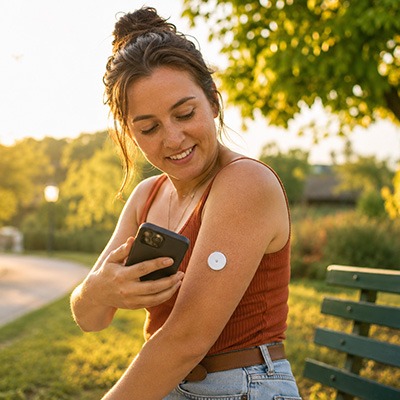
Diabetes technology has transformed the way type 1 diabetes can be managed. Continuous glucose monitors (CGMs) provide real-time glucose information, trends, and alerts throughout the day and night, allowing patients to see much more than a single glucose reading. This information can help identify patterns related to meals, exercise, sleep, insulin dosing, and other parts of everyday life.
Insulin pumps offer more flexible insulin delivery, and automated insulin delivery systems combine insulin pump and CGM technology to automatically adjust insulin delivery in response to changing glucose levels. These tools can significantly reduce some of the day-to-day burden of diabetes, but technology works best when patients understand how to use it and how to interpret the information it provides.
Technology can help with:
- Real-time glucose monitoring
- Low and high blood glucose alerts
- Insulin dose timing
- Automated insulin delivery
- Overnight glucose monitoring
- Trend review during visits
- Making informed treatment decisions
At T1D Hub, diabetes technology is a major focus of care. Dr. Huber works with patients to choose technology that fits their needs, optimize how it is being used, and understand what the data is actually telling them. The goal is not simply to use more technology; it is to use technology to make diabetes easier to understand and manage.
Is a CGM or insulin pump right for me?
Continuous Glucose Monitors
For many people with type 1 diabetes, a continuous glucose monitor (CGM) is an important part of everyday care. CGMs provide real-time glucose information, trends, and alerts that can help patients understand what is happening throughout the day and night and make more informed decisions about insulin, food, activity, and other parts of daily life.
Insulin Pumps and Automated Delivery
Insulin pumps and automated insulin delivery systems can offer greater flexibility and reduce some of the daily work involved in managing type 1 diabetes. They are not just for patients who are struggling with diabetes control. The right system depends on the individual’s goals, preferences, lifestyle, insulin needs, and comfort with technology.
Finding the Right Fit
There is no single device or system that is right for everyone. Dr. Huber helps patients compare available options, understand the advantages and limitations of each, and choose technology that fits their lives. The best diabetes technology is the technology a patient understands, trusts, and is comfortable using.
What support is available for type 1 diabetes families and caregivers?
A Shared Experience
Type 1 diabetes affects more than the person wearing the CGM or taking the insulin. It can affect spouses, parents, children, and others who are part of the patient’s everyday support system. When family members understand what is happening and how to help, diabetes can feel less isolating and easier to manage.
Practical Support for Loved Ones
Support may include learning how to respond to low blood sugar, understanding CGM alerts, recognizing when something may require medical attention, and knowing how to be helpful without making the person with diabetes feel watched or judged.
Care Built With Families in Mind
T1D Hub is built with families in mind. Dr. Huber provides primary care for people living with type 1 diabetes and their families because diabetes does not exist separately from family life. Supporting the people around the patient can make day-to-day diabetes care easier, strengthen communication, and help everyone feel more confident in their role.
Diabetes Care FAQs
Does T1D Hub only treat type 1 diabetes?
No. T1D Hub has a special focus on type 1 diabetes, but it is also a comprehensive primary care practice. Dr. Huber provides primary care for people living with type 1 diabetes, their families, and adults with traditional Medicare. The goal is to be a primary care medical home that understands the whole patient, not simply a place for diabetes visits and refills.
Can Dr. Huber help with insulin pump settings?
Yes. Diabetes technology is a major focus of care at T1D Hub. Dr. Huber can review insulin pump and CGM data with patients, identify patterns, troubleshoot problems, and adjust pump settings when appropriate. Decisions are individualized based on glucose data, insulin needs, safety, lifestyle, and the patient’s goals.
What should patients bring to a diabetes care appointment?
Patients should bring an up-to-date medication and insulin list, any diabetes supplies or devices they have questions about, recent laboratory results that may not already be available to T1D Hub, and the questions or concerns they want to discuss. Patients using a CGM or insulin pump should make sure their device data is available for review. Family members or caregivers are also welcome to participate when the patient would like them to be involved.
Is CGM useful for patients who already check blood sugar?
Absolutely. A fingerstick provides a glucose value at a single moment in time. A CGM provides a continuous picture of what glucose is doing throughout the day and night, including the direction and rate of change.
For example, the FreeStyle Libre 3 and Libre 3 Plus measure glucose every minute, providing up to 1,440 readings each day, while the Dexcom G7 provides a new glucose reading up to every five minutes, or up to 288 readings per day. That amount of information allows patients and Dr. Huber to look beyond individual highs and lows and evaluate time in range, overnight patterns, responses to meals and exercise, insulin timing, and trends that may never appear on a traditional glucose meter.
At T1D Hub, CGM data is not simply collected; it is reviewed and used to make treatment decisions. Understanding the patterns behind the numbers can help patients make more informed decisions about insulin, food, activity, and everyday life.
Does diabetes care include preventive health?
Absolutely. Comprehensive care for someone with type 1 diabetes includes much more than glucose management. At T1D Hub, important diabetes-related screening can be incorporated into routine visits, including in-office diabetic foot examinations and retinal screening when appropriate.
Because T1D Hub is also a primary care practice, Dr. Huber can help make sure patients stay current with the rest of their preventive care as well, including mammograms, colon cancer screening, Pap smears, blood pressure and cholesterol management, vaccinations, and other age-appropriate screening.
The goal is to make preventive care easier to keep up with by looking at the whole picture in one place, rather than treating diabetes as a separate part of a patient’s health.
Establish Care at T1D Hub
Type 1 diabetes care should not feel like fighting the healthcare system just to get an answer, a refill, or help make an adjustment. Dr. Huber built T1D Hub to provide more direct, accessible care that is connected to the realities of living with type 1 diabetes. With expertise in diabetes technology and comprehensive primary care, the goal is to help patients understand what is happening, understand their options, and know what to do next.
People living with type 1 diabetes and their families throughout Michiana can contact T1D Hub to establish care with Dr. Huber at our Mishawaka, Indiana practice.